
CrisisReady
Scalable Crisis Readiness Expertise
CrisisReady uses novel data on disaster disruptions and community impacts to develop tools that improve response efficiency and support preparedness efforts. By integrating research, technology, and policy, it aims to enhance resilience and reduce risks during crises.
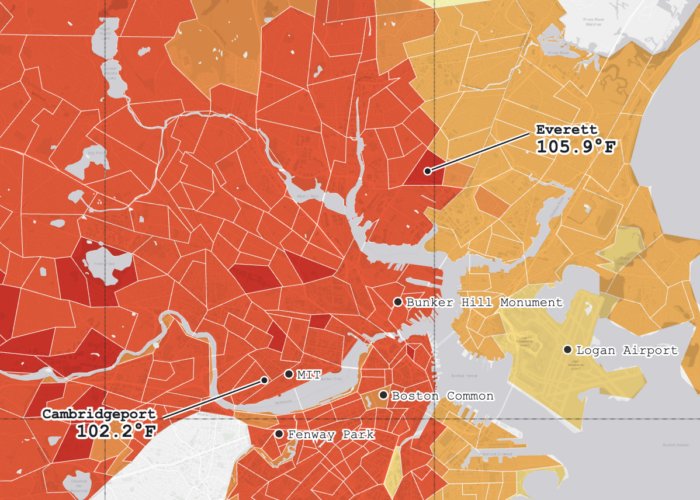
Heat Risk API
Heat Exposure & Vulnerability Mapping
Turning authoritative climate data into daily, per-community heat exposure metrics for any geography on Earth—so responders can act on local risk, not regional averages.
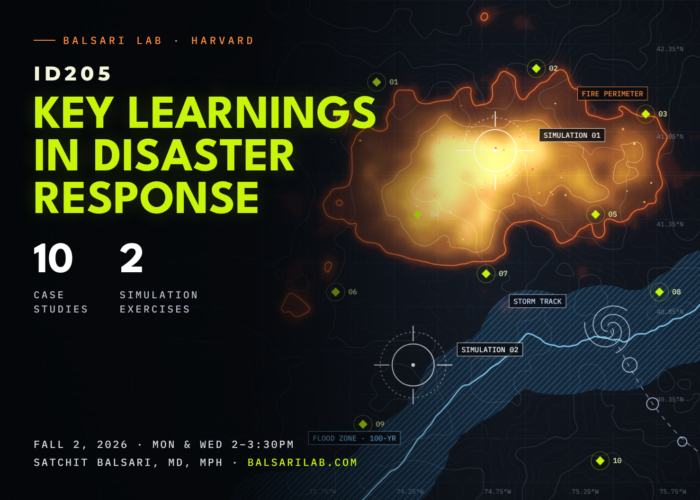
Key Learnings in Disaster Response
Courses
ID205 emphasizes the public health dimensions of disaster response across the continuum of assessment, rescue and relief, early recovery, and strategies for longer‑term population protection.
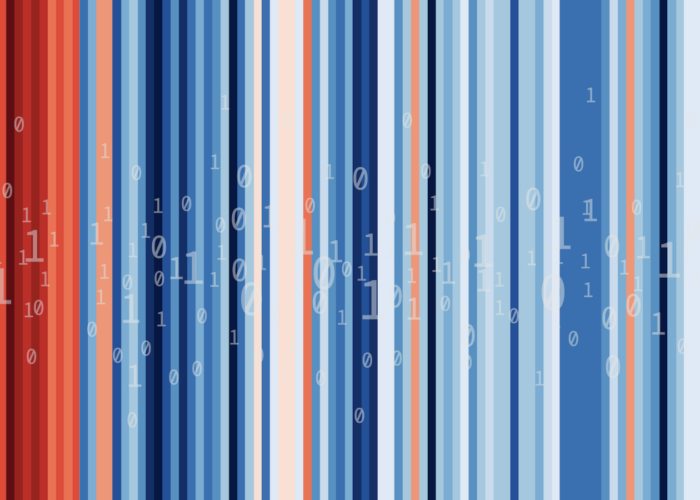
Climateverse
Climate Change & Human Health
An open-access repository of curated climate datasets that enhances data quality, access, and usability by leveraging LLMs and Generative AI to break down barriers to utilization.
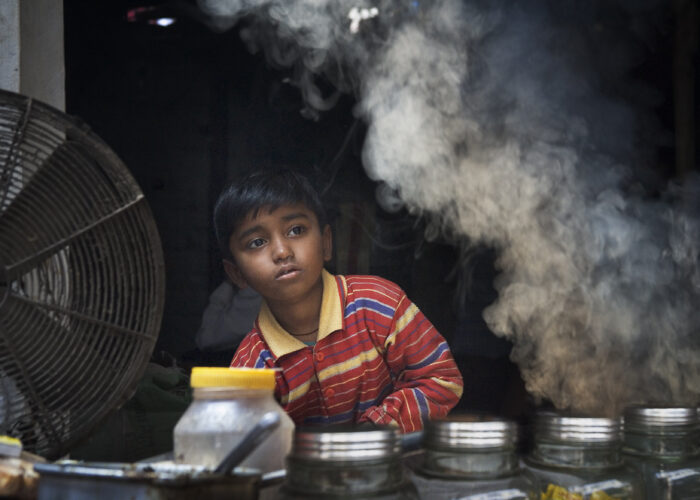
Community HATS
Climate Change & Human Health
Uncovering the impacts of extreme heat, Community HATS supports local communities and governments in India to build effective climate strategies.

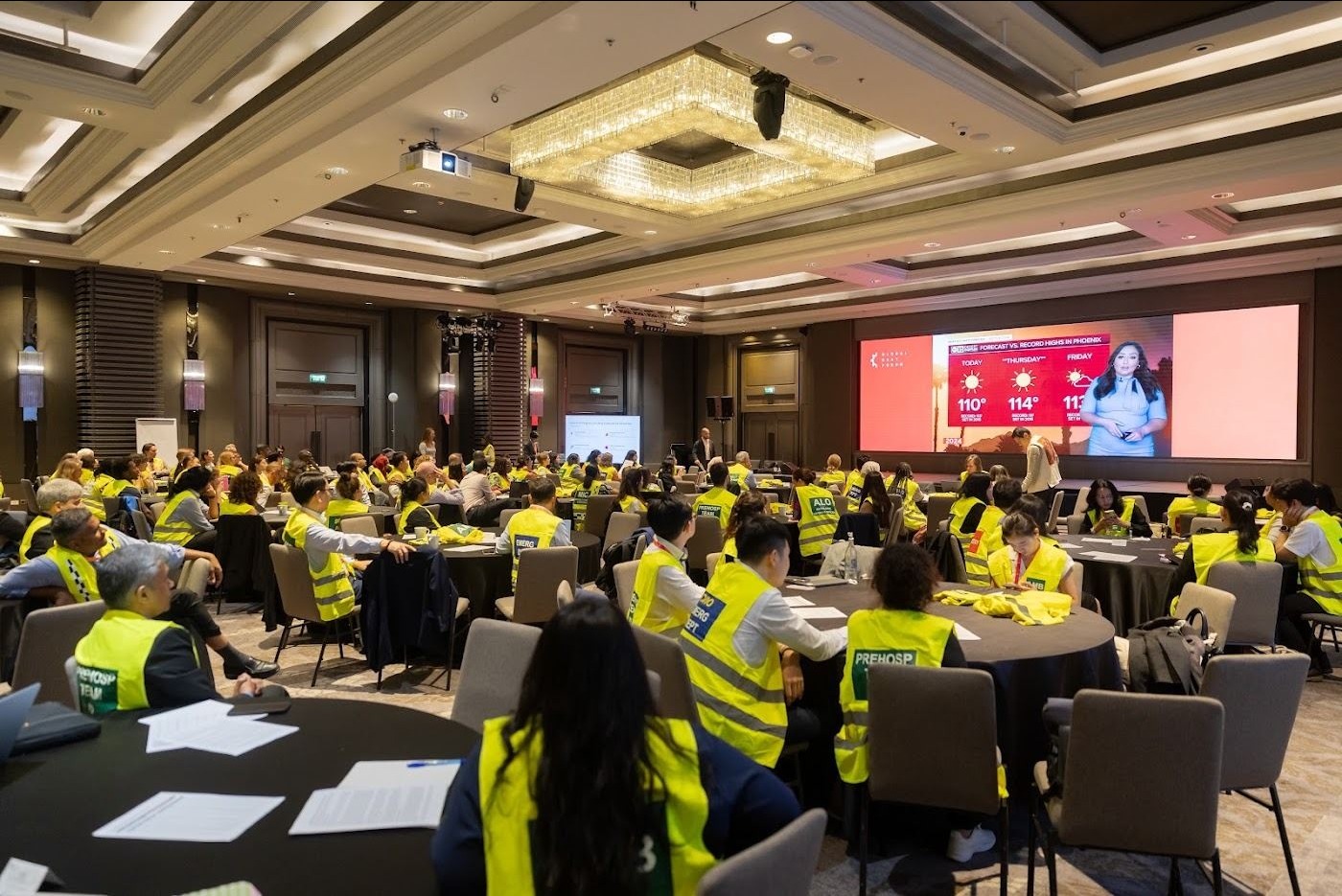

The State of Climate Science and Adaptation to Climate Change
Harvard Alumni Day 2026
July 1, 2026
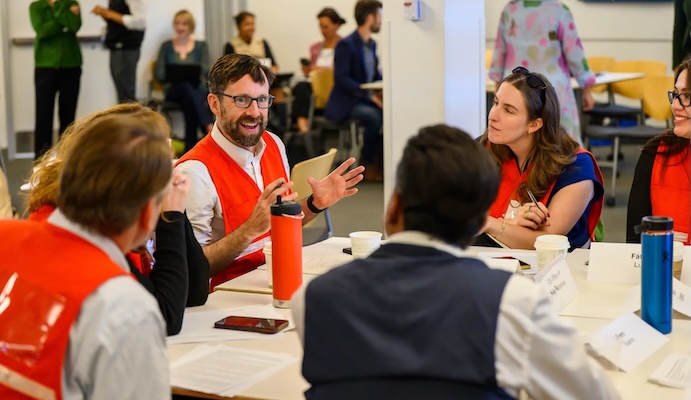
Accelerating Useful Learning for Urban Heat Action
Letters to a New Heat Officer
May 6, 2026 – May 7, 2026

A Milestone for India’s Informal Workers
HUM SAB EK (We Are One) on Display at the International Labor Organization’s Headquarters
May 30 - June 25, 2025
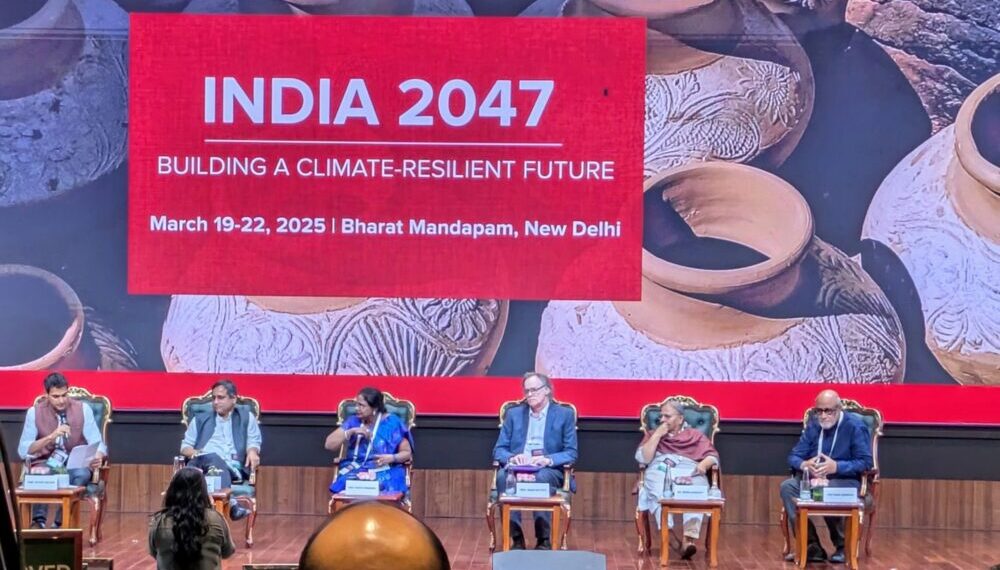
India 2047: Building a Climate-Resilient Future
The Salata Institute for Climate & Sustainability & The Lakshmi Mittal South Asia Institute
March 19-22, 2025
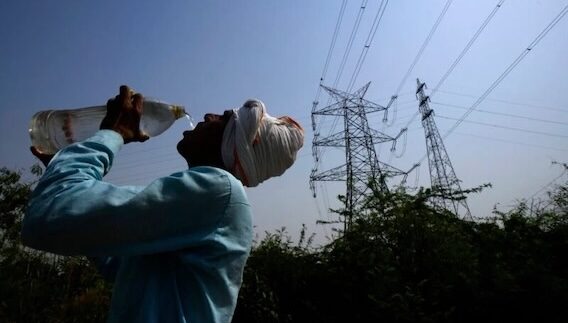
How hot is it really? Who decides?
Climate Change and Planetary Health Concentration Talk
February 26, 2025
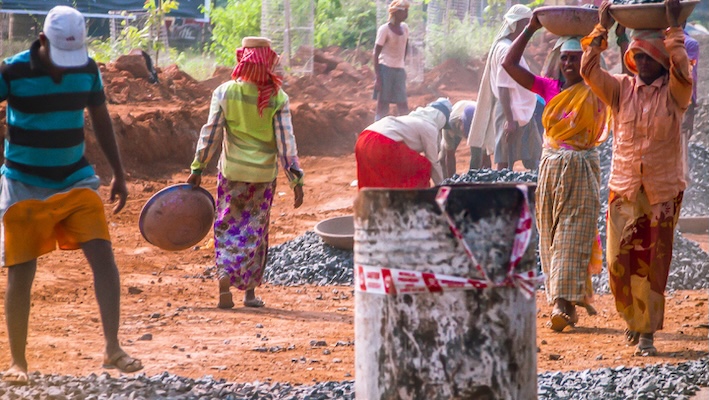
Too Hot To Work? What Would Climate Adaptation Look Like For India’s Labor Force?
Amrita University
February 20, 2025
The Audacity of Accompaniment
The Paul Farmer Symposium on Global Health Equity
November 19, 2024

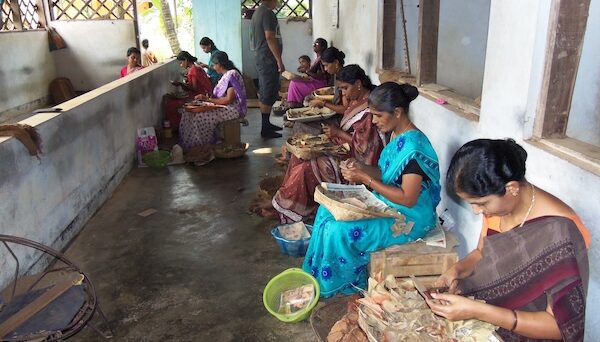
Oral Histories, Microsensors, and Parametric Insurance: When Poor Women Workers Drive the Research Agenda
The Harvard Global Health Institute
June 28, 2024