Burden of Proof
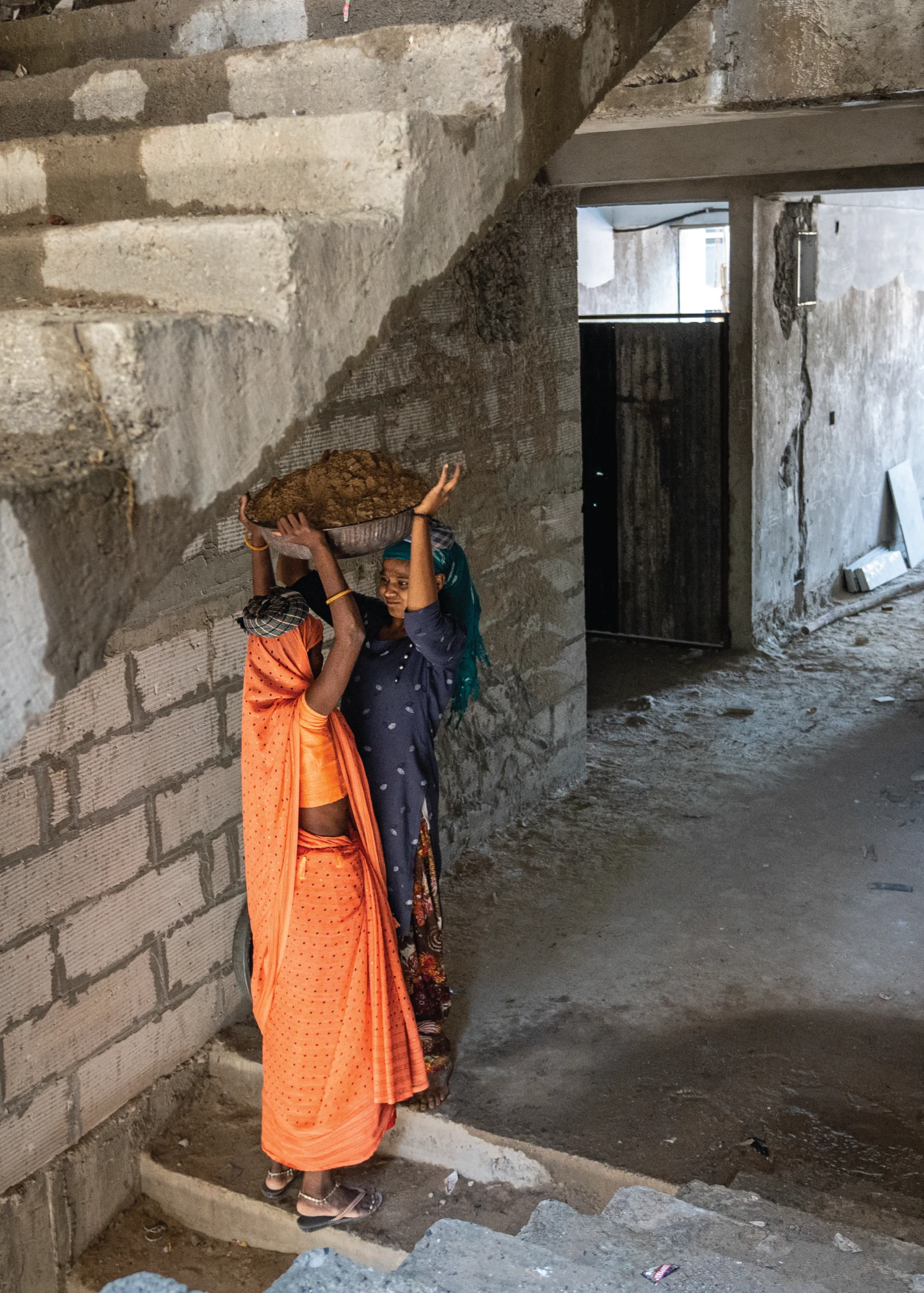
India's construction workers build the nation's gleaming towers and modern infrastructure, yet live in makeshift settlements at the margins of the cities they help create. This installation examines the human cost of urban development.
The construction sector is a critical driver of India's economic development and the second-largest source of employment. It engages 71 million workers and contributes 18% of the GDP to India's growth.
By 2030, the construction sector is projected to employ over 100 million Indians, providing jobs to those migrating from rural India in search of work. Ninety-seven percent of construction workers lack formal contracts, and only 2.5% receive social security benefits.
Rights, Access, and Accountability
Systemic Barriers and SEWA's Advocacy
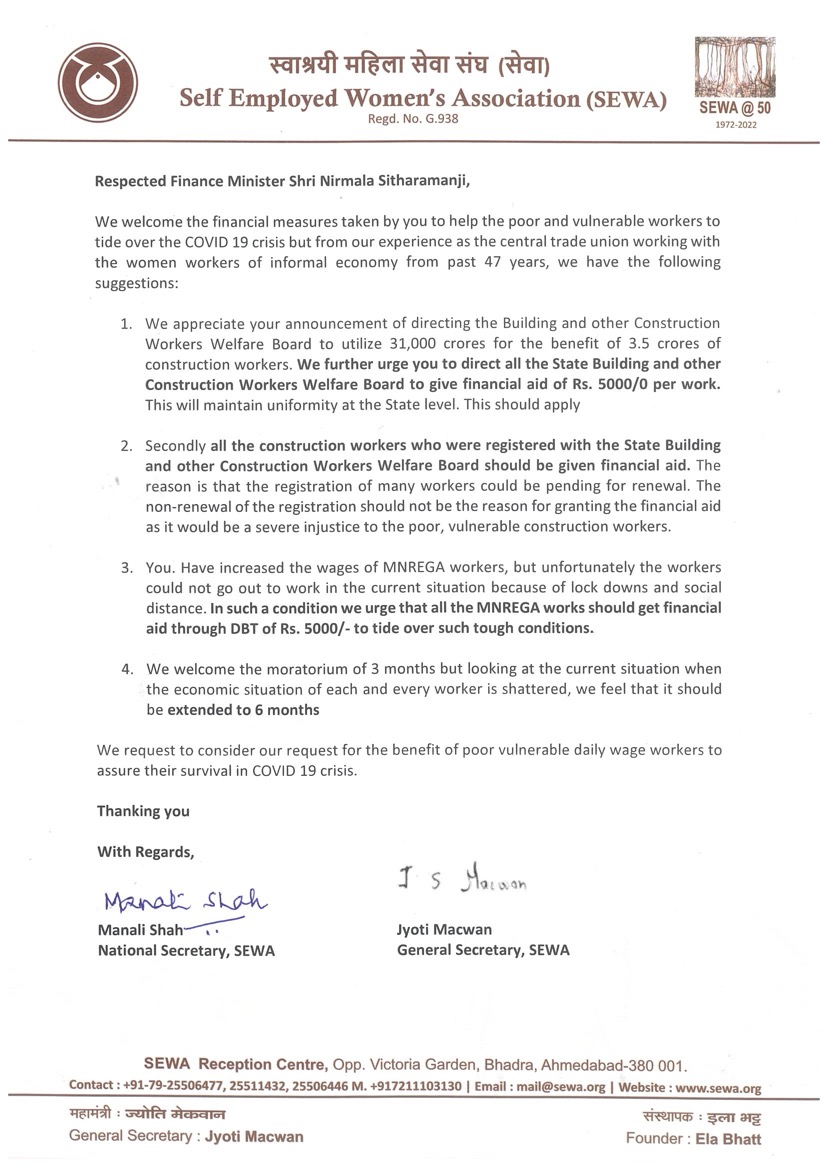
SEWA's organizing and legal strategies have focused on making welfare entitlements real. The video surfaces issues like complex registration requirements, portability gaps for migrants, and administrative delays that stall payouts from cess-financed welfare boards. It also calls out gendered inequities in wages and access. Since around 1997, SEWA has pushed for clear procedures, inclusive enrollment, and routine disbursals so workers can actually receive health, insurance, and pension benefits.
Gullaks and the Price of Growth
The adjacent earthen pots, known as gullaks or gullas, are traditional piggy banks of the poor in western India. The meager amounts of money they hold can only be accessed by breaking them, just as the astronomical wealth generated by real estate is built on the backs of ill-paid construction workers. The construction industry in India is expected to reach 1.4 trillion dollars in 2025.

India's Urban Footprint
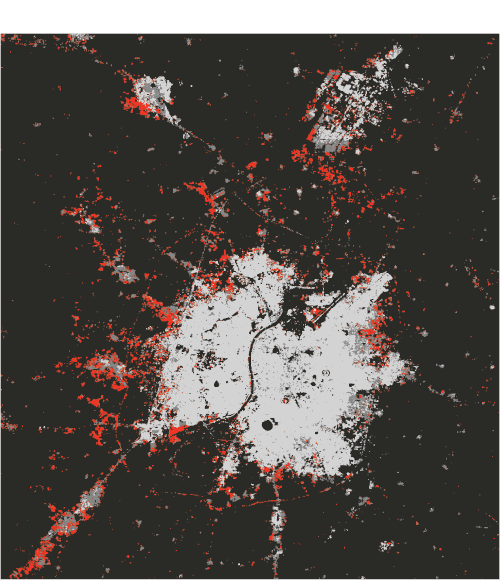
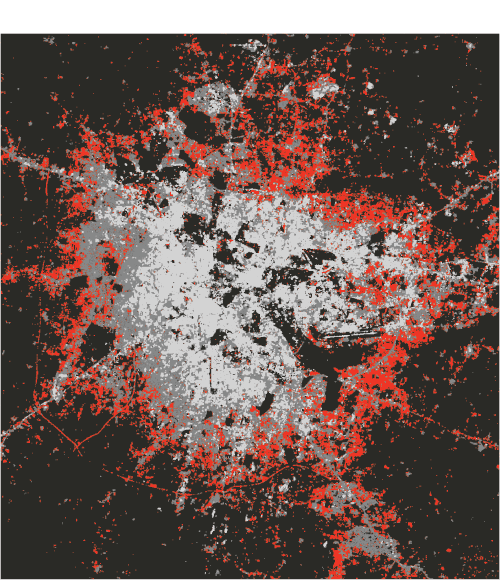
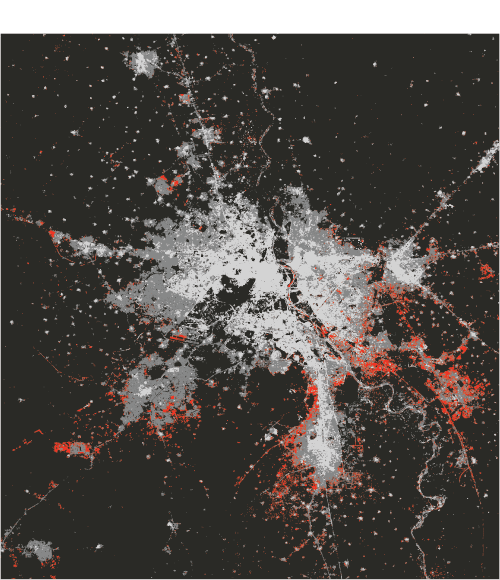
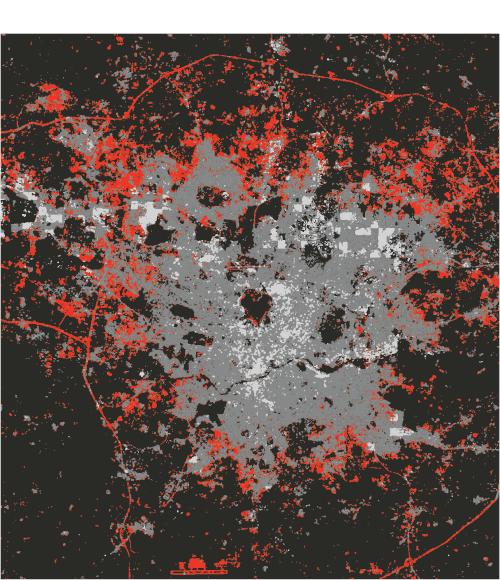
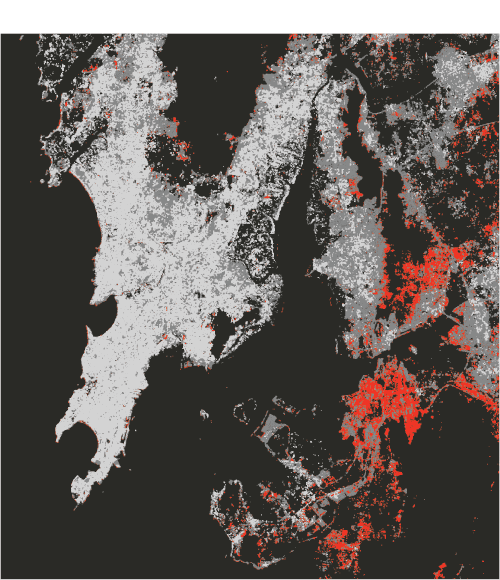
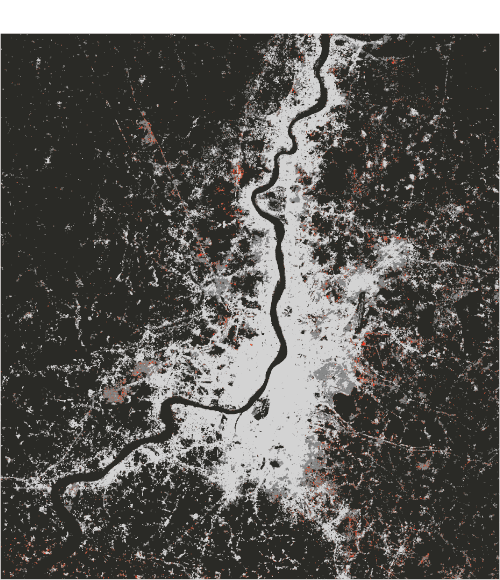
In the course of SEWA's five decades, India has rapidly urbanized, with over half a billion people, or 35% of its population, living in cities. The maps below illustrate the spread of India's urban footprint only capture part of the story, belying density, height and variegation.
More than 40% of Mumbai's 21 million inhabitants live in informal housing. Their slum dwellings reside in close proximity to gleaming towers of new wealth, whose privileged inhabitants generate and perpetuate informal employment in their homes and offices. Those that are building contemporary India's soaring skylines are among the poorest, are often migrants, and can hardly aspire to a permanent roof of their own. Their workplaces have few provisions to protect their health. In the absence of drinking water and sanitation facilities at construction sites in the nation's capital, extreme heat waves in the summer of 2024 drove many migrant workers in Delhi back to their hometowns.

Source: IDFC Institute.