In India's crowded urban areas, the pandemic lockdown amplified existing hardships, with largescale homeward migration and rising domestic violence in the face of unprecedented isolation eroding the vital networks of support people depended on.
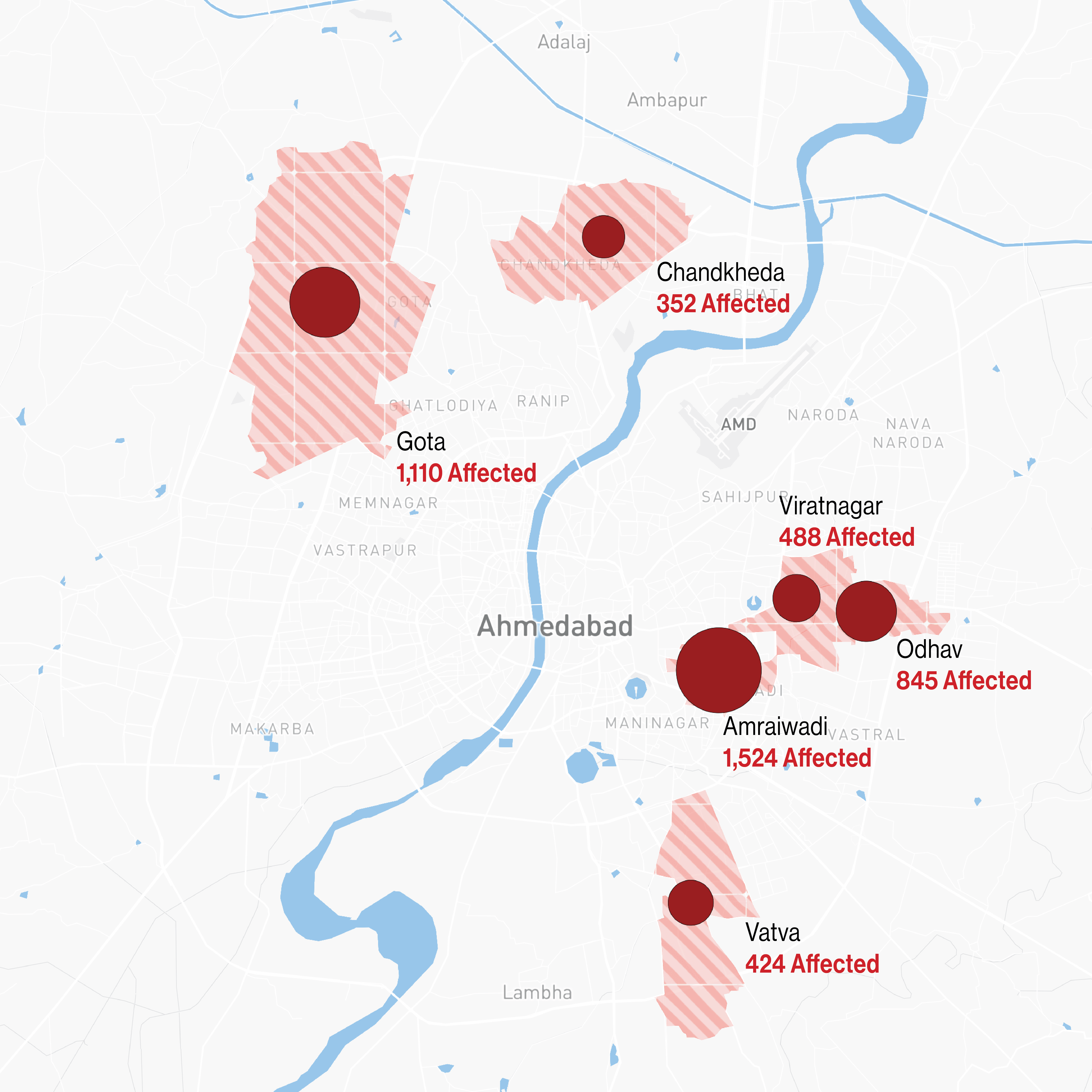
Imperfect data and questionable policy choices resulted in entire neighborhoods being marked as Red Zones, and their inhabitants barricaded from their surroundings. As migrants returned home, children stayed home from school, and summer temperatures rose, the cramped quarters — normally a respite from the outside world — suffocated their inhabitants.
By April, domestic violence was on the rise. Stepping outside invited police brutality. At SEWA, the anxieties and uncertainties fueled by a novel disease and unprecedented restrictions on life were compounded by the women’s inability to be physically present for each other in times of distress. Even amidst natural disasters and communal riots in the state of Gujarat, solidarity had first been expressed simply by showing up, and by bearing witness. Isolation had never been a remedy.
Housing inequality reveals itself most starkly through spatial measurement. While residents of London enjoy an average of 396 square feet per household, and New Yorkers have 182 square feet, Mumbai’s families (many living in informal settlements built by the same hands that construct the city’s towers) survive in an average of just 88 square feet. This disparity in living space directly impacts health outcomes, family dynamics, and human dignity.
These numbers represent more than square footage; they reflect access to privacy, health, and human dignity.
In Mumbai, where
40% of residents live in informal housing,
families often share extremely small spaces. The density creates cascading health risks: illnesses spread rapidly,
privacy becomes impossible, and children lack quiet spaces essential for learning and development.
Deenaben Parmar, Lalitaben Vasava, Bhavnaben, and Savitaben Parmar share powerful testimonies of resilience and solidarity during the pandemic's most challenging period. The women describe cascading impacts of COVID-19 in their villages and their role in maintaining community health and social cohesion.
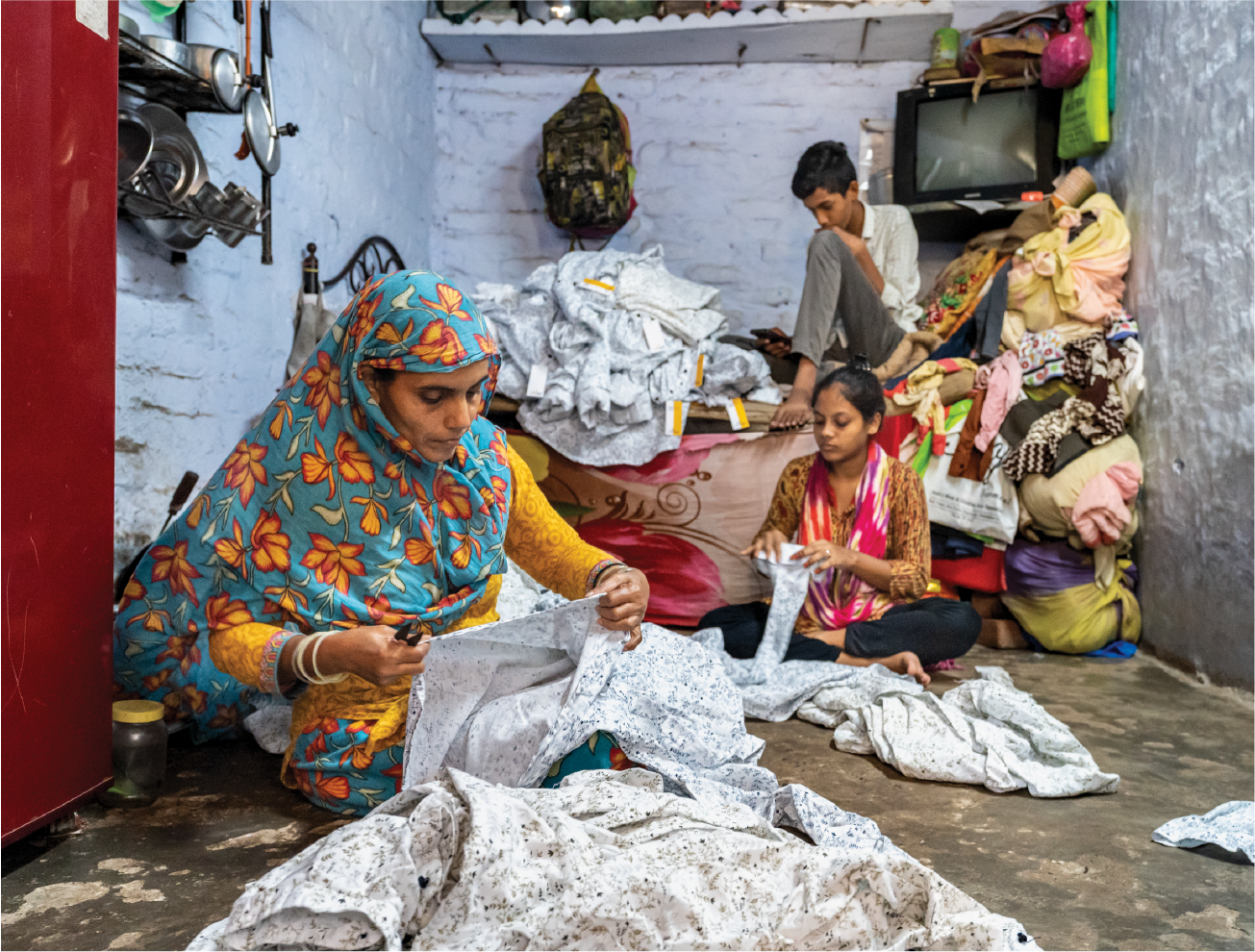
When social distancing mandates took effect during the COVID-19 pandemic, many families were confined to homes averaging just 88 square feet. These cramped spaces were often shared by four or more people, making daily life extremely difficult.
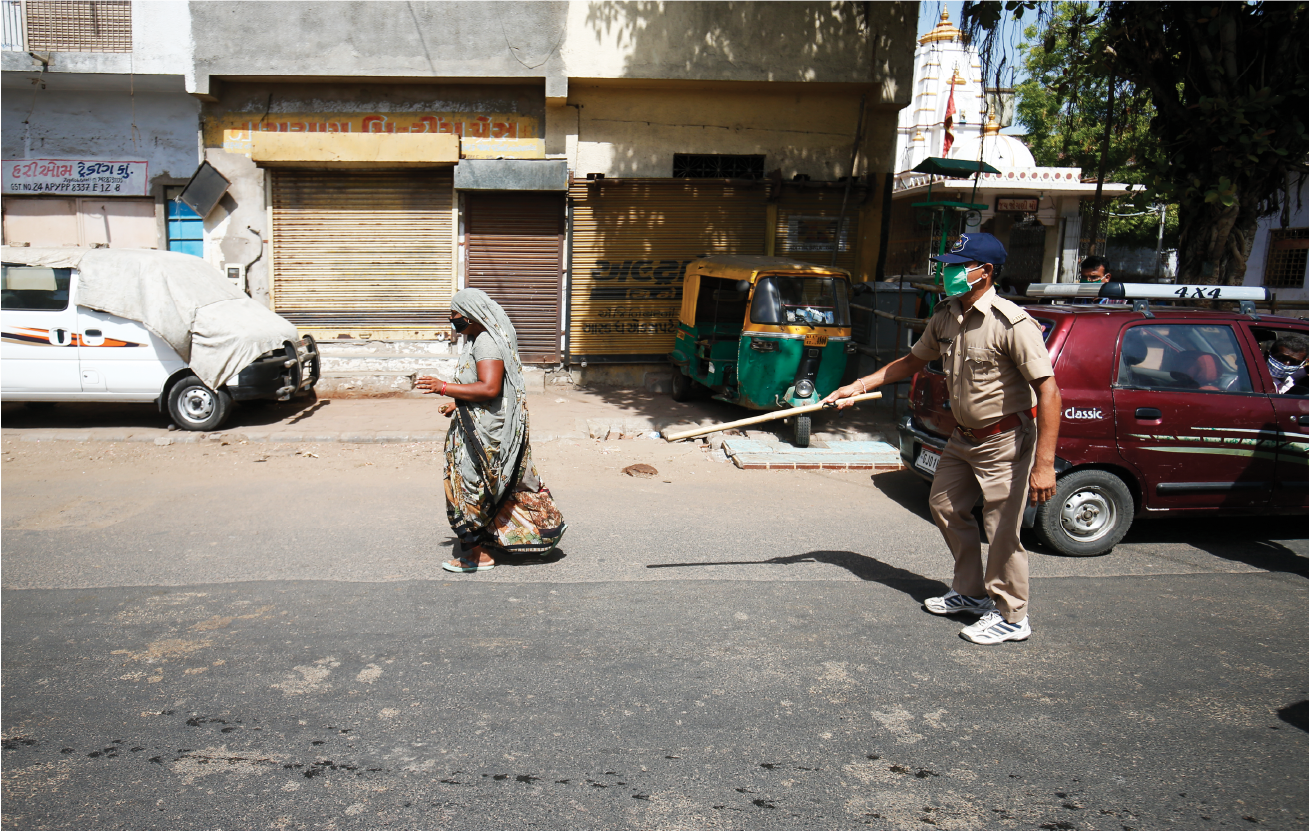
Villages were placed under increasingly strict lockdowns as the pandemic worsened. Travel by foot or vehicle was banned, and police stationed by the national government strictly enforced distancing rules. This cut off many from nearby relatives and friends who needed help.
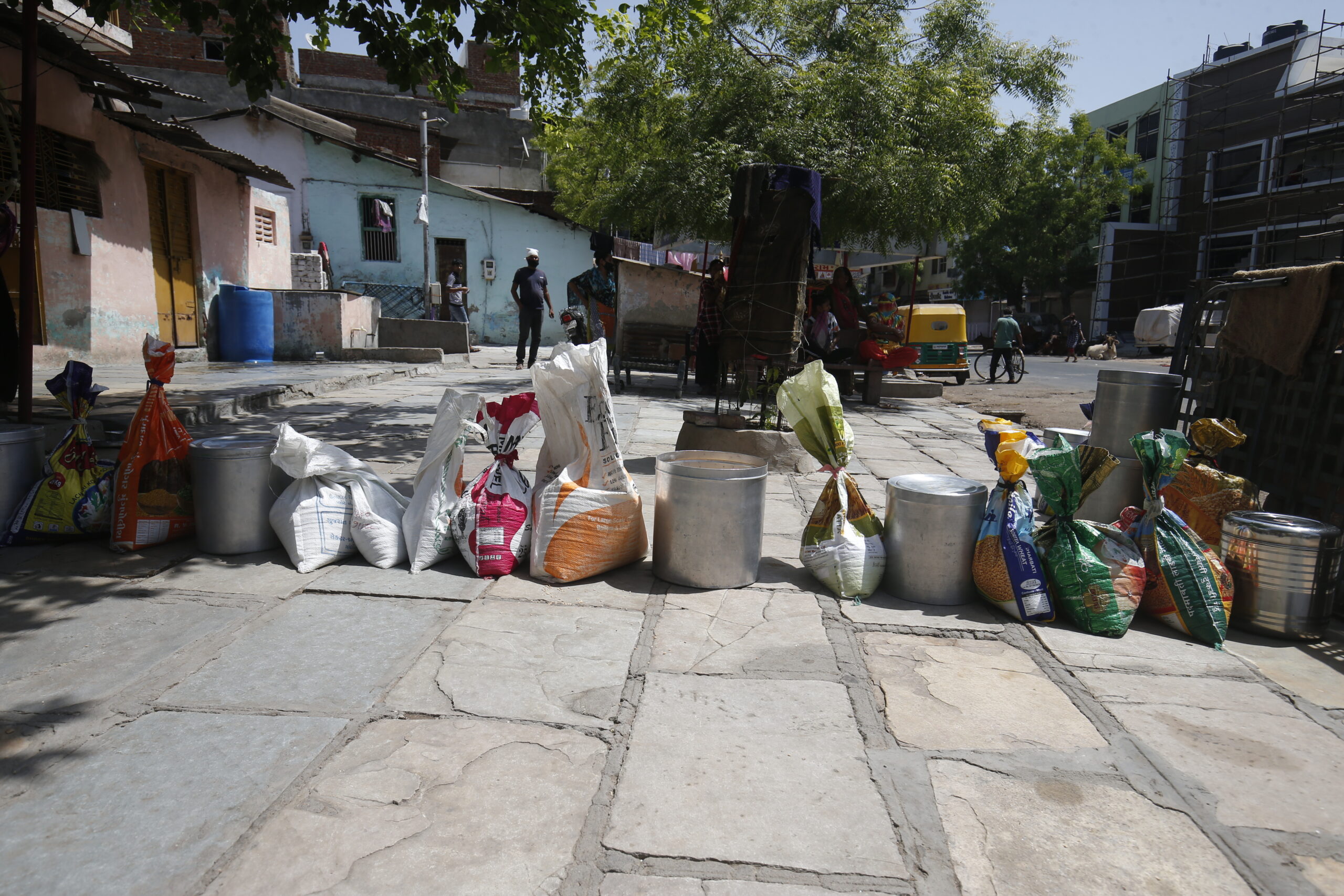
To enforce social distancing as the public health crisis deepened, authorities began to barricade the entrances of chawls, residential buildings in western India typically home to low-income workers, cutting residents off from family and friends.